
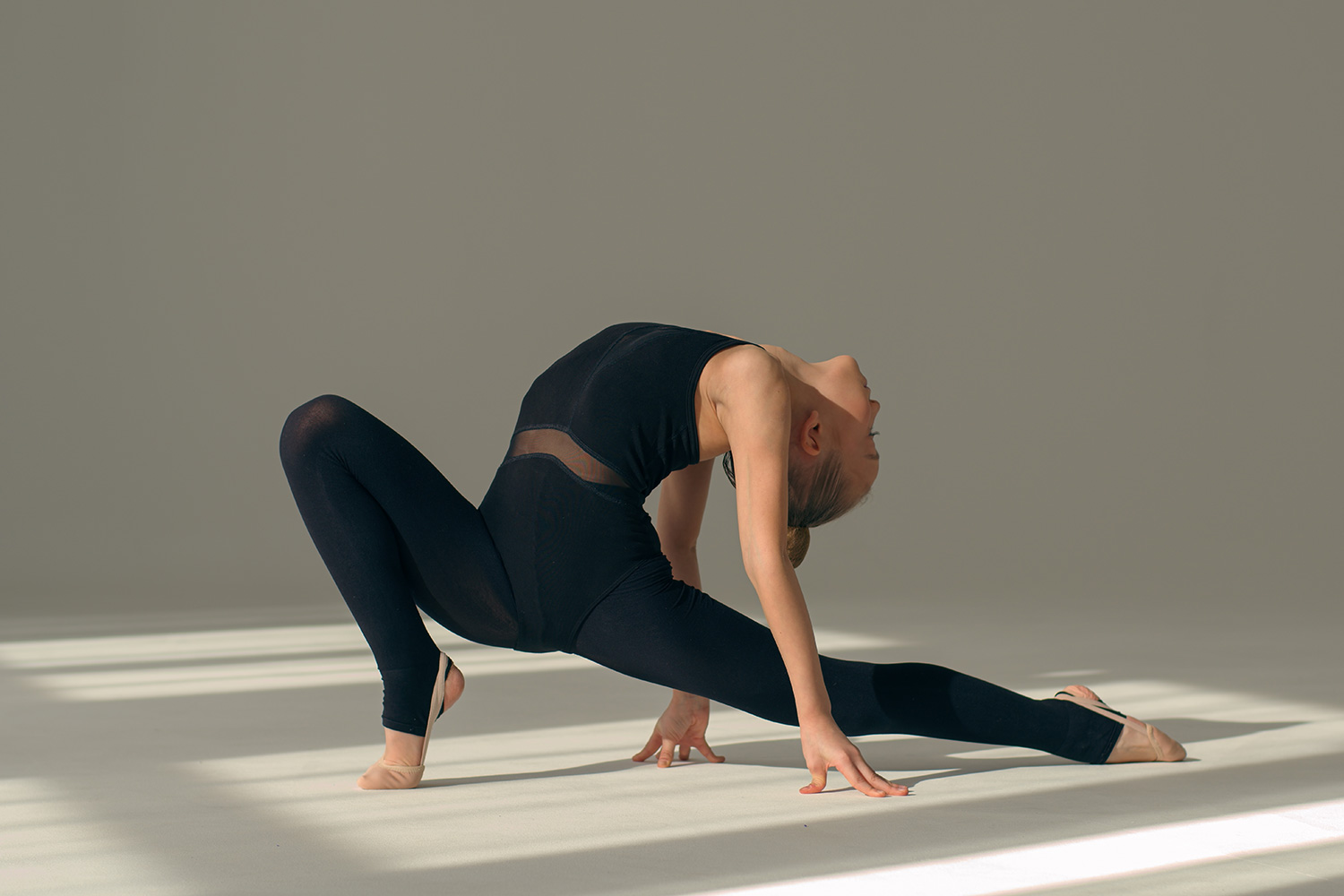
Dance Classes for Teens: Building Confidence, Friendships, and Life Skills
The teenage years are filled with change, self-discovery, and new challenges. Between school responsibilities, friendships, social expectations, and figuring out who they want to become, teenagers often need a place where they can feel comfortable being themselves.
That’s one reason dance classes for teens can be such a valuable experience. Beyond learning choreography and improving technique, dance gives teenagers opportunities to build confidence, express their individuality, develop friendships, and discover what they’re capable of achieving.
Whether a teen is stepping into a dance studio for the first time or has been dancing since childhood, the experience can offer meaningful opportunities for personal growth.
At Lumenis School of Dance in Hampton, Virginia, we believe every dancer deserves a supportive environment where they can explore their abilities, embrace their creativity, and feel proud of their progress.
Why Confidence Matters During the Teenage Years
Confidence plays an important role in how teenagers navigate everyday experiences. It can influence their willingness to make friends, participate in activities, try unfamiliar things, and speak up for themselves.
However, confidence doesn’t always come naturally.
Teenagers may compare themselves to classmates, worry about making mistakes, or feel pressure to meet expectations. Social media can sometimes intensify these concerns by encouraging constant comparisons with others.
Finding an activity where progress is personal rather than based entirely on outside approval can make a meaningful difference.
Dance provides opportunities for teens to recognize their own improvement. Instead of focusing exclusively on whether they’re better than someone else, students can learn to appreciate how far they’ve come.
A movement that felt impossible several weeks ago may eventually become second nature. A dancer who once hesitated to perform in front of classmates might discover that they genuinely enjoy being on stage.
These accomplishments can help teenagers recognize their abilities and become more comfortable taking on new challenges.
Dance Encourages Healthy Self-Expression
Teenagers don’t always have an easy time explaining what they’re feeling.
Excitement, frustration, uncertainty, and stress are all normal parts of growing up, but expressing those emotions can sometimes be difficult.
Dance provides a creative outlet that doesn’t require finding the perfect words.
Through music and movement, teens can explore emotions, tell stories, and communicate ideas in ways that feel natural to them.
Different dance styles provide different opportunities for expression.
Contemporary dance encourages experimentation, improvisation, and creative movement. Students can explore unfamiliar movement patterns while developing their individual artistic voices.
Lyrical dance combines technical movement with musical interpretation and emotional storytelling.
Hip-hop encourages rhythm, individuality, and personal style through energetic choreography.
Jazz combines strong technique with dynamic performance, allowing dancers to express confidence and personality through movement.
Learning choreography also encourages teens to consider how movement communicates meaning.
Rather than simply memorizing steps, students can explore what makes a performance engaging, expressive, and uniquely their own.
Dance Classes Help Teens Step Outside Their Comfort Zones
Trying something unfamiliar can feel intimidating at any age, but teenagers may be particularly concerned about what others think.
Some students hesitate to join activities because they worry they won’t be good enough or will make mistakes in front of their peers.
Dance offers opportunities to challenge those concerns in a structured setting.
During a typical class, students encounter movements they haven’t mastered yet. They may need to practice a combination several times, ask for clarification, or adjust their technique after receiving feedback.
These experiences teach an important lesson: making mistakes is a normal part of learning.
As students become more comfortable practicing unfamiliar movements, they may begin approaching new challenges with less hesitation.
At Lumenis School of Dance, our teaching philosophy emphasizes encouragement, individual growth, and authenticity over perfection.
We want students to understand that their value isn’t determined by how quickly they master a skill or how they compare with someone else.
Progress comes from showing up, putting in effort, and allowing yourself to learn.
Building Friendships Through Shared Experiences
For many teenagers, finding a community where they feel accepted is incredibly important.
Dance classes bring students together through a shared interest, creating opportunities to form friendships outside their usual school or social circles.
Working on choreography gives dancers common goals. They learn to cooperate, support one another, and celebrate improvements together.
Group performances and rehearsals can also strengthen these connections.
When dancers work toward a shared performance, they begin understanding how their individual contributions affect the entire group.
They practice listening, communicating, and responding to the movements of others.
These experiences can encourage a sense of belonging, particularly for teens who haven’t found a comfortable place in more traditional extracurricular activities.
Dance friendships often develop naturally through familiar routines, shared challenges, and the excitement of learning something new together.
At Lumenis School of Dance, community is an important part of the studio experience. Our goal is to create a welcoming atmosphere where dancers feel supported by both their instructors and peers.
Dance Develops Discipline and Resilience
One of the most valuable lessons dance teaches is that meaningful progress takes time.
Learning advanced turns, improving flexibility, developing musicality, and mastering challenging choreography all require patience and consistent effort.
Teenagers who participate in dance learn to recognize the relationship between practice and improvement.
They also develop experience receiving constructive feedback and applying it to their technique.
A correction isn’t necessarily a criticism. Instead, it provides guidance that can help dancers strengthen their skills.
This process encourages students to approach challenges with persistence rather than expecting immediate success.
For teenagers balancing academic responsibilities, social commitments, and extracurricular activities, dance can also provide opportunities to practice time management and personal responsibility.
Students learn to arrive prepared, remain attentive during instruction, and contribute positively to group activities.
These habits can be useful well beyond the dance studio.
Dance Promotes a Positive Relationship With Movement
Physical activity is important throughout adolescence, but not every teenager enjoys traditional sports or gym-based exercise.
Dance provides another way to stay active while focusing on creativity, music, and learning new skills.
Depending on the style, dance classes may incorporate stretching, strengthening exercises, rhythmic movements, balance training, and cardiovascular activity.
Regular participation can support coordination, flexibility, endurance, and body awareness.
Perhaps more importantly, dance can help teens appreciate movement for what their bodies can accomplish rather than focusing exclusively on appearance.
A dancer might feel proud after mastering a difficult combination, improving their balance, or completing an energetic routine.
These moments shift attention toward ability, progress, and personal achievement.
An encouraging studio environment can reinforce this perspective by recognizing effort and technique rather than emphasizing unrealistic expectations.
Is It Too Late to Start Dancing as a Teenager?
Absolutely not.
One of the most common misconceptions about dance is that students must begin training when they’re very young.
While early instruction can provide additional years of technical development, teenagers can still begin learning dance and enjoy a rewarding experience.
In fact, older beginners often bring strengths of their own.
Teenagers may have a greater ability to understand detailed instructions, recognize musical patterns, and approach learning with specific personal goals.
Some teens discover dance after participating in other activities, such as gymnastics, cheerleading, theater, or recreational sports.
Others simply develop an interest in dance later in life.
There is no requirement to have years of previous training before exploring a new creative activity.
For beginners, the most important step is choosing an appropriate class level and allowing time to develop foundational skills.
Choosing the Right Dance Classes for Teens
Different teenagers are drawn to different styles of movement, so choosing a class should involve considering their interests, experience, and goals.
At Lumenis School of Dance, teens can explore several dance disciplines, including:
- Ballet: Develops alignment, balance, technique, strength, and musicality.
- Jazz: Combines expressive choreography with turns, leaps, and energetic movement.
- Tap: Emphasizes rhythm, coordination, and musical timing.
- Hip-hop: Encourages individuality, musicality, and confident self-expression.
- Lyrical: Blends graceful movement with emotional interpretation and storytelling.
- Contemporary: Explores creativity, improvisation, and expressive movement.
- Acro: Combines dance foundations with flexibility, strength, and tumbling skills.
- Musical Theater: Integrates choreography with characterization and stage performance.
Students interested in more intensive training may also explore competitive dance opportunities.
Our competition program focuses on technique, teamwork, performance quality, and structured rehearsals for dancers ready to make that commitment.
However, not every teenager needs to pursue competitive training to enjoy dance.
Recreational classes provide opportunities to improve skills, form friendships, and participate in an activity they love without the additional demands of competition.
The right choice depends on the individual dancer.
How Parents Can Encourage Their Teen’s Dance Journey
Parents can play an important role in helping teenagers develop a positive relationship with dance.
One of the best ways to provide support is to focus on progress and enjoyment rather than perfection.
Ask your teenager what they’re learning, which styles they enjoy, and what goals they’d like to pursue.
Celebrate their effort, especially when they’re working through something challenging.
It’s also important to give teenagers some ownership over their experience.
Allowing them to explore styles that interest them can encourage independence and help them remain motivated.
If a teen is nervous about starting, acknowledge that joining a new activity can feel uncomfortable.
Encourage them to approach their first class as an opportunity to explore rather than a situation where they need to prove themselves.
Most importantly, remind them that dance should be an enjoyable experience that supports their growth.
Find Dance Classes for Teens in Hampton, VA
The teenage years provide countless opportunities for growth, and dance can be a meaningful part of that journey.
From developing confidence and learning to express emotions to building friendships and discovering new strengths, the experiences students gain in dance can extend far beyond the studio.
At Lumenis School of Dance in Hampton, Virginia, we’re passionate about creating an environment where dancers feel welcomed, encouraged, and inspired.
Our classes offer opportunities for teenagers to explore different dance styles, strengthen their technique, and develop their creativity at a pace appropriate for their experience.
Whether your teen is a complete beginner, an experienced recreational dancer, or interested in competitive training, our team is here to help them find a place to grow.
Help your teen discover confidence through dance.
Explore our dance classes to learn more about the styles and programs available at Lumenis School of Dance.
Not sure which class is the best fit? Contact our studio and let us help you find a program that matches your teenager’s interests and experience level.
Every dancer has something unique to offer, and we can’t wait to help yours shine!