
There’s something special about watching a child discover ballet for the first time. From learning their first positions to moving gracefully across the studio, ballet introduces children to a world of music, creativity, and self-expression. But if your child has never taken a dance lesson before, you probably have a few questions about where to begin.
What age should children start ballet? Do they need special shoes? What happens during their first class? And how do you know whether ballet is the right activity for your child?
Ballet classes for beginners are designed to introduce children to the fundamentals of dance in an encouraging, age-appropriate environment. Students don’t need previous training, natural flexibility, or perfect coordination to get started.
At Lumenis School of Dance in Hampton, Virginia, we believe every dancer deserves the opportunity to learn at their own pace. Whether your child is a preschooler discovering movement or an older beginner exploring ballet for the first time, understanding what to expect can make the experience more enjoyable for the entire family.
What Do Children Learn in Beginner Ballet Classes?
Ballet is a classical dance discipline built around posture, alignment, balance, musicality, and controlled movement.
In beginner classes, students are introduced to foundational techniques that prepare them for more advanced skills as they grow.
Rather than immediately learning complicated choreography, children start with basic positions and movements that help them become familiar with how their bodies move.
Some of the first skills students may encounter include:
- Basic ballet positions: Learning foundational positions of the feet and arms.
- Posture and alignment: Understanding how to stand and move with appropriate body positioning.
- Balance and coordination: Practicing controlled movements that develop stability.
- Musicality: Learning to recognize rhythm, timing, and musical phrases.
- Ballet terminology: Becoming familiar with traditional French terms used in classical ballet.
- Movement combinations: Connecting individual steps into short sequences.
For younger students, these skills may be introduced through creative activities, playful exercises, and simple combinations.
Older beginners typically receive more structured instruction while continuing to develop foundational techniques.
The goal isn’t to achieve perfection immediately. It’s to help students become comfortable with ballet while building skills they can expand upon over time.
What Is the Best Age to Start Ballet?
One of the most common questions parents ask is whether their child is old enough to begin ballet lessons.
The answer depends on the type of class and the child’s developmental readiness.
Toddlers: Discovering Movement Through Play
Very young children typically benefit from movement-based programs rather than formal ballet instruction.
These classes may include music, imaginative activities, simple movements, and opportunities to explore coordination.
At Lumenis School of Dance, our Lumie and Me program offers a caregiver-and-child experience featuring music, movement games, and sensory play.
It’s a welcoming introduction to the dance studio for little ones who are still developing foundational movement and social skills.
Preschoolers: Introducing Ballet Fundamentals
Preschool-age children may be ready for introductory ballet activities that combine structure with creativity.
Classes often introduce simple positions, rhythm, coordination, and following directions while keeping instruction engaging and age-appropriate.
Our Lil Lumies Ballet/Tap program introduces young dancers to two foundational styles through music and guided movement.
The combination format gives children opportunities to experience both the graceful movements of ballet and the rhythmic excitement of tap.
School-Age Children: Developing Technique
As children grow, they can begin participating in more structured ballet instruction.
Students learn foundational terminology, practice combinations, and gradually develop greater control over their movements.
Lumenis School of Dance offers Ballet 1 for beginning dancers, with progressive levels available as students develop their technique.
Older beginners shouldn’t feel discouraged if they haven’t danced before. Starting ballet during elementary school or the teenage years can still be a rewarding experience.
What Happens During a Typical Beginner Ballet Class?
Knowing what a lesson may look like can help children feel more comfortable before their first visit.
Although every instructor structures classes differently, many beginner ballet lessons include several familiar components.
Warm-Up and Preparation
Classes often begin with gentle movements designed to prepare the body for dancing.
Students may practice posture, coordination, stretching, or simple exercises that help them become aware of their alignment.
Younger dancers might participate in movement games or imaginative activities that make warming up enjoyable.
Learning Ballet Positions
Students are introduced to the foundational positions used throughout classical ballet.
Instructors demonstrate movements, explain terminology, and help students develop appropriate technique.
Beginners may practice simple exercises such as pliés, which involve bending the knees with proper alignment, or tendus, which involve extending the foot along the floor.
These movements may appear simple, but they establish important foundations for future training.
Practicing Movement Combinations
As students become more comfortable, instructors may introduce short combinations that connect several movements.
These exercises encourage children to remember sequences, recognize musical timing, and coordinate different parts of their bodies.
The combinations typically become more challenging as students gain experience.
Moving Across the Floor
Depending on the class level, students may practice traveling movements such as walks, skips, small jumps, or introductory ballet steps.
These activities help dancers explore spatial awareness, coordination, and movement through the studio.
Cooldown and Review
Some classes conclude with gentle stretching, a review of techniques, or an opportunity to celebrate what students learned.
For children, finishing class with a sense of accomplishment can help build excitement about returning.
What Should Your Child Wear to Ballet Class?
Preparing for ballet lessons often involves purchasing appropriate dancewear, but parents don’t need to buy everything before confirming the studio’s requirements.
Different dance studios may have specific dress codes based on age and class level.
Common beginner ballet attire includes a leotard, tights, and ballet slippers. Some studios also allow skirts or other approved dancewear.
Hair is generally secured away from the face so students can move comfortably and instructors can observe their alignment.
Properly fitted ballet slippers are particularly important because they allow the feet to move while providing appropriate contact with the floor.
Avoid purchasing pointe shoes for a beginner. Pointe work requires advanced technical preparation and is not part of introductory ballet instruction.
Before your child’s first class, contact Lumenis School of Dance to confirm the current dress code and footwear expectations.
It’s also helpful to bring a water bottle and arrive with enough time for your child to become familiar with the studio.
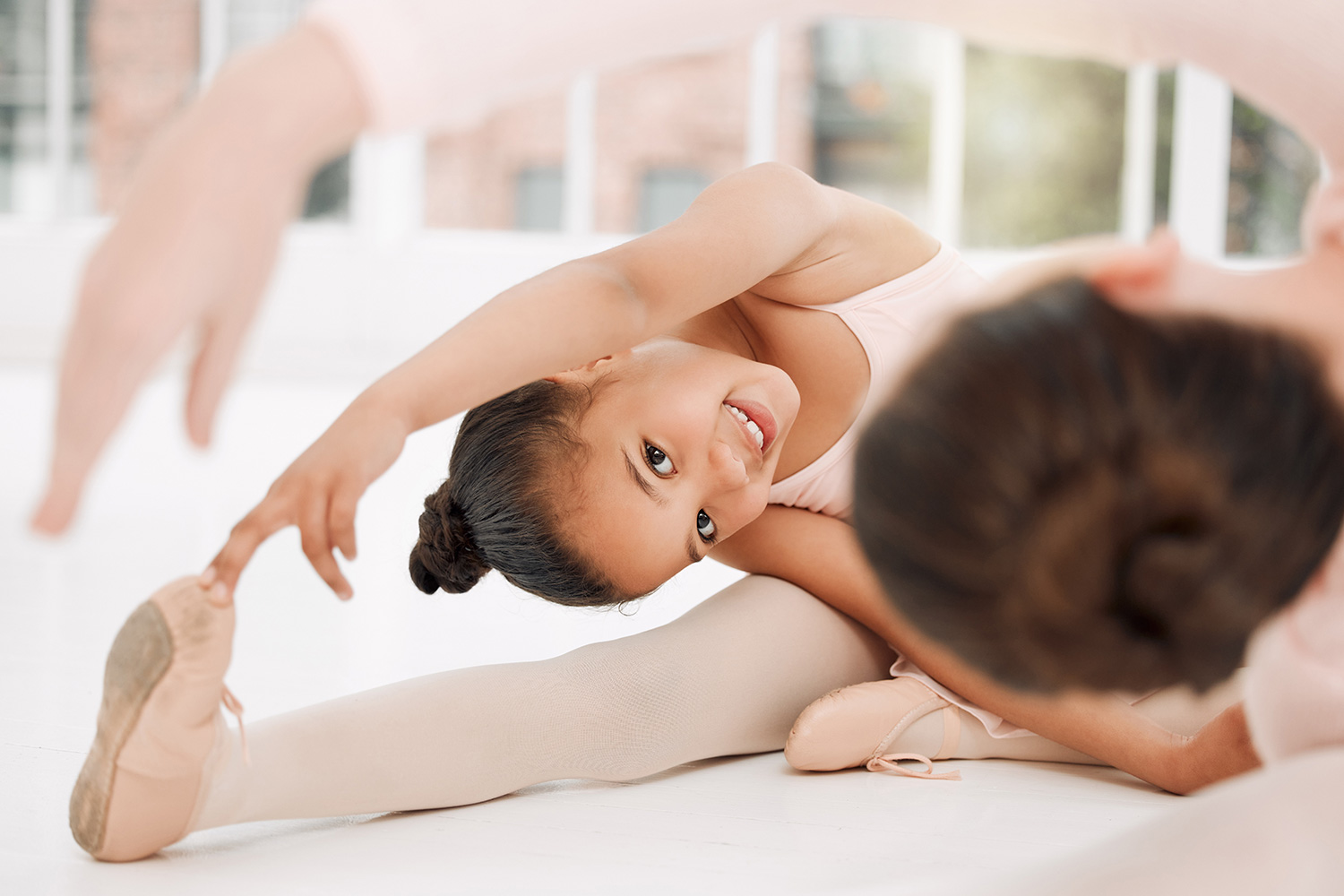
Does My Child Need to Be Flexible to Start Ballet?
Absolutely not.
A common misconception is that children must already be naturally flexible to participate in ballet.
While flexibility can support certain dance movements, it is something students can develop gradually through appropriate training.
Beginning dancers aren’t expected to perform advanced stretches, high leg extensions, or complicated positions.
Instead, instructors focus on developing coordination, alignment, mobility, and control.
Strength is equally important.
Ballet requires students to support their bodies through controlled movements, maintain balance, and develop stable technique.
It’s also important to recognize that every child’s body is different. Natural flexibility, turnout, and physical development vary from one student to another.
Good instruction emphasizes appropriate technique rather than forcing children into positions their bodies aren’t ready to achieve.
At Lumenis School of Dance, our progressive ballet program is designed to support development from foundational instruction through more advanced levels.
How Ballet Helps Children Develop Important Skills
While ballet is known for its elegance and technique, the experience can offer benefits that extend beyond learning dance steps.
Improved Coordination and Balance
Ballet encourages children to become more aware of how their bodies move.
Practicing positions, weight transfers, and movement combinations can help develop balance, coordination, and physical control.
Patience and Discipline
Learning classical technique requires repetition and attention to detail.
Students gradually discover that progress comes through consistent practice rather than immediate perfection.
Musical Appreciation
Ballet introduces children to musical rhythm, phrasing, tempo, and interpretation.
Learning to coordinate movement with music can deepen their appreciation for different musical styles.
Confidence Through Progress
Mastering a new position or remembering a combination can give children a meaningful sense of accomplishment.
As students recognize their improvement, they may become more comfortable trying unfamiliar challenges.
Creativity and Artistic Expression
Although ballet follows established techniques, it also provides opportunities for storytelling, imagination, and artistic interpretation.
Children learn that movement can communicate ideas and emotions without words.
What If Your Child Is Nervous About Their First Class?
It’s completely normal for children to feel nervous before starting a new activity.
Some may be excited about ballet but hesitant to enter an unfamiliar classroom. Others may worry about making mistakes or not knowing anyone.
Parents can help by discussing what to expect in a positive, reassuring way.
Explain that the instructor will demonstrate movements and that nobody expects them to know ballet before their first lesson.
Avoid placing unnecessary pressure on performance or progress.
Instead, encourage your child to enjoy the music, meet new people, and try the activities.
After class, ask what they enjoyed rather than focusing exclusively on which steps they learned.
For some children, becoming comfortable in a new environment takes more than one lesson.
Allowing time to adjust can help them develop a more positive association with dance.
How Do Children Progress in Ballet?
Ballet training generally follows a gradual progression, beginning with foundational technique and advancing as students develop strength, coordination, and understanding.
At Lumenis School of Dance, our ballet program includes Ballet 1, Ballet 2, Ballet 3, and pointe training.
Ballet 1 introduces beginner dancers to classical technique, posture, coordination, musicality, and foundational terminology.
Ballet 2 builds upon those skills through more detailed combinations, improved alignment, and greater movement control.
Ballet 3 challenges experienced dancers with advanced combinations, refined technique, and performance-focused training.
Pointe is reserved for experienced dancers who demonstrate appropriate strength, alignment, technical control, and readiness.
Moving between levels isn’t simply about age or how long a student has been attending classes.
Technical development, physical readiness, and individual progress all play important roles.
Parents should avoid rushing their children into more advanced levels before they’re prepared. Strong foundational technique supports both long-term development and safer participation.
How Can Parents Support Their Beginning Ballet Dancer?
Parents don’t need dance experience to encourage their children’s progress.
Some of the most helpful ways to provide support are surprisingly simple.
Make sure your child attends class consistently whenever possible. Regular participation gives students opportunities to build upon previous lessons and become more comfortable with instruction.
Celebrate effort instead of perfection. Learning ballet takes time, and recognizing progress can help children stay motivated.
Encourage your child to talk about what they’re learning. Asking them to demonstrate a favorite step can be a fun way to show interest.
It’s also important to allow instructors to guide technical development. Children shouldn’t be pressured to practice advanced stretches, extreme turnout, or pointe work at home.
Above all, help your child remember that ballet is supposed to be an enjoyable experience.
Whether they eventually pursue advanced training or simply dance recreationally, developing a positive relationship with movement is a worthwhile accomplishment.
Find Ballet Classes for Beginners in Hampton, VA
Starting ballet can open the door to a rewarding experience filled with movement, music, creativity, and personal growth.
Children don’t need perfect posture, natural flexibility, or previous dance experience to begin. They simply need an opportunity to explore ballet in an environment that encourages learning and celebrates progress.
At Lumenis School of Dance in Hampton, Virginia, we’re committed to helping dancers develop strong foundations while discovering the joy of movement.
From our early childhood programs to Ballet 1 and more advanced training, we provide opportunities for students to learn and grow at different stages of their dance journey.
Our supportive instructors emphasize technique, confidence, and individual development, helping each dancer discover what makes their journey unique.
Ready to introduce your child to ballet?
Explore our ballet classes and early childhood programs to learn more about the opportunities available at Lumenis School of Dance.
Not sure which level is right for your child? Contact our studio and our team can help you find a class suited to your child’s age, interests, and experience.
Every beautiful ballet journey begins with a first step. We’d love to help your child take theirs!